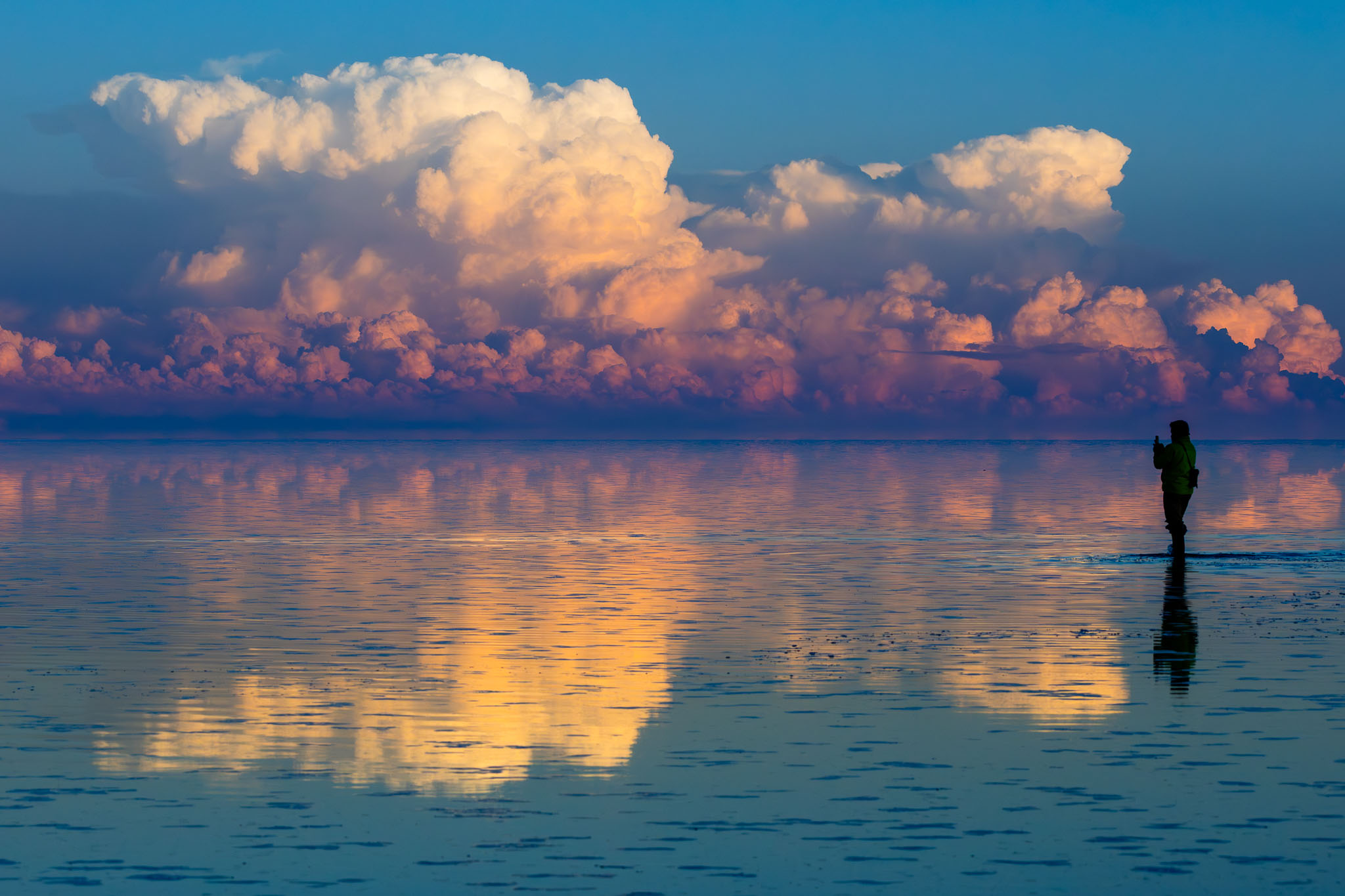
The wet season — the mirror.
A shallow sheet of water turns the whole flat into a reflection the size of a small country. No ripple, no current. At sunrise and sunset the color pours in and the water hands the whole sky back to you, doubled. At night, the stars land in the mirror too — the Milky Way overhead and underfoot at once.
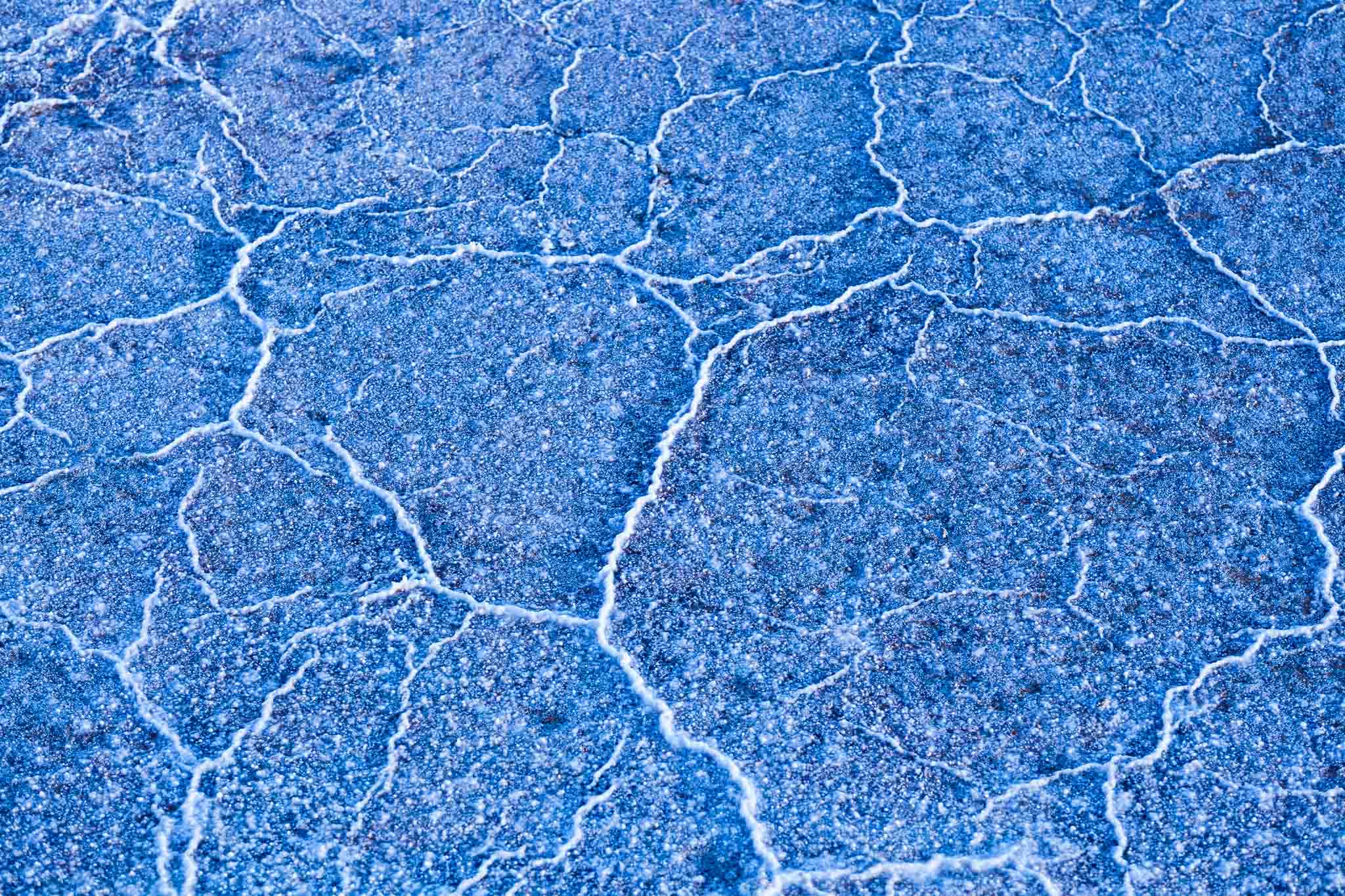
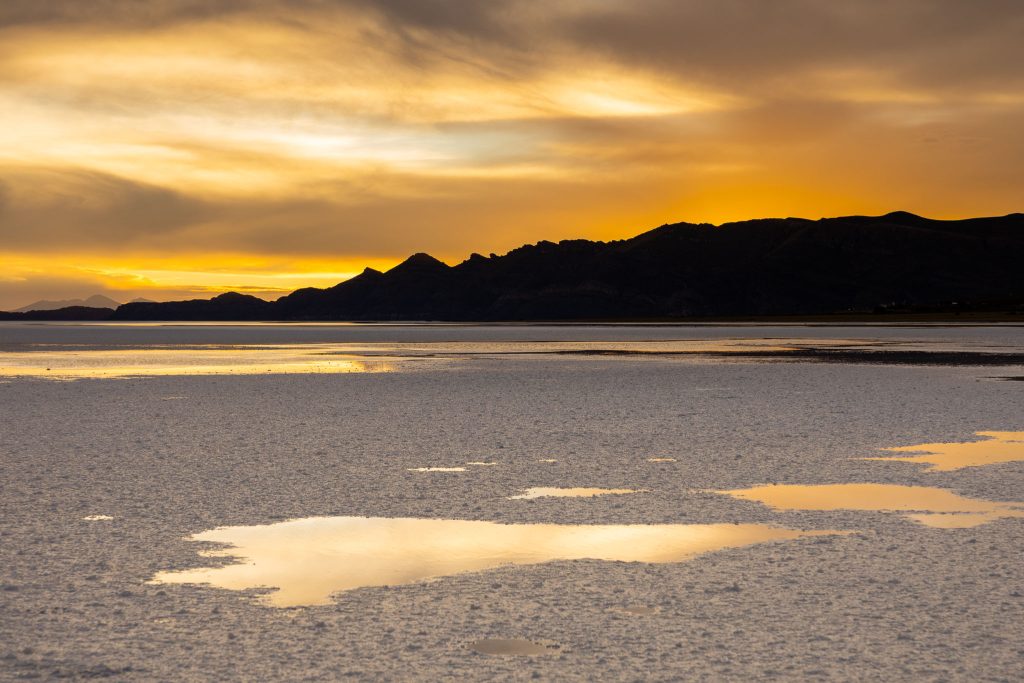
The dry season — the white.
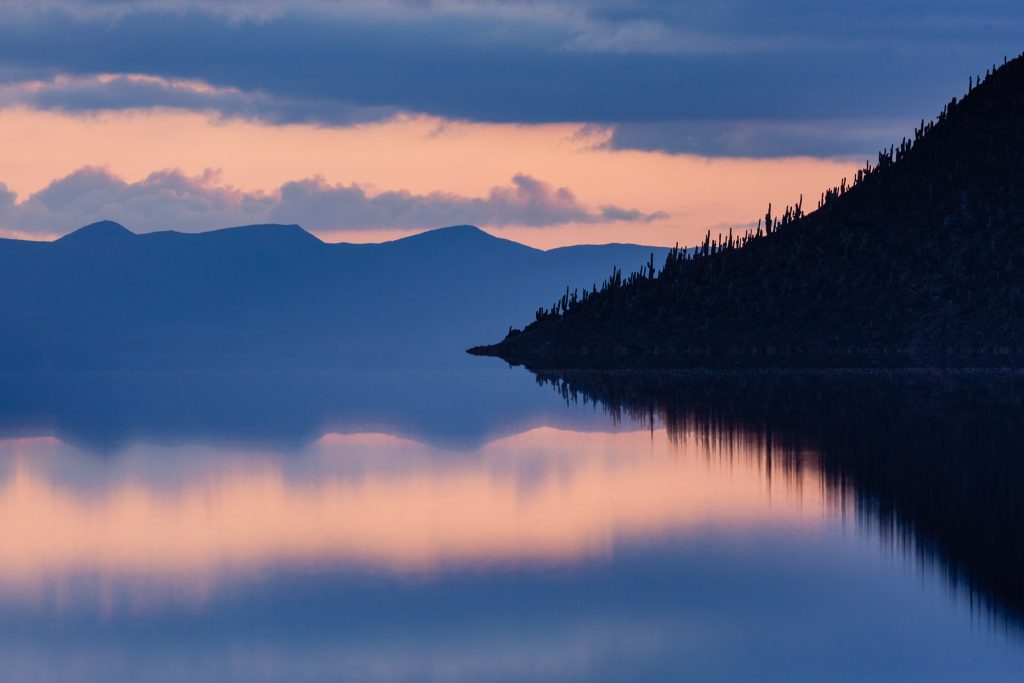
No water, and a different kind of beauty. Endless hexagon tiles, the blinding white that makes a single figure look like the last person on earth. Isla Incahuasi rising out of it, covered in giant centuries-old cactus. Long, clear nights for astrophotography under skies with almost no light pollution. And because the surface is hard and dry, we drive further and shoot corners the crowds never reach.

1. We drive our own 4x4s, so the light decides the day, not a schedule. When the water goes still or the sky starts to turn, we go there.
2. We shoot the edges of the day. Dawn and dusk are the whole point. That is when we work. I put you in position before the light arrives, and we stay out past when most tours have left.
3. Small groups, on purpose. A mirror does not need a crowd standing in it. No people means you get the frame, the room, and your photo.
4. Year-round, not a three-month window for the flooded rainy period. I know where to be in the flood for the mirror, and also know where to be in the dry for the white and the cleanest stars.
5. I handle everything but the shutter: timing, vehicles, lodging, food, permits, and acclimatization. You carry your camera and your imagination.
6. No canned routes. This is custom designed. Tell me what you want to shoot, and I build the days around it. I also have back-up locations. Always.


a mirror needs no crowd
altitude is the real gear check
you just carry your camera
1. You shoot the corners most people drive past. I got to a lot of these places before the crowds, some before the roads, so I know where the quiet still is.
2. It took decades to explore and come to know my favorite regions. That led to self-publishing two books on Bolivia…The Altiplano and Madidi regions.
3. You are leaning on the real thing, not a brochure. Forty years photographing the Andes and the Amazon, thirty years guiding people here from across the planet.
4. You only go where I have already stood. If I have not photographed a place myself, I will not hand you to a stranger to figure it out.
5. You are never guessing at the light or the season. I have run the Salar in the summer flood and the winter dry, at new moon and under full light, for years. We go to the right places.
Tell me what you want to shoot and when you can travel — click here.